
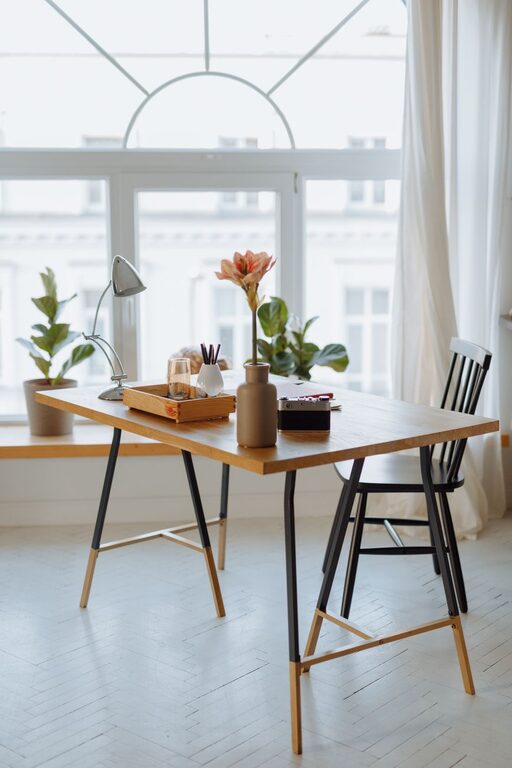
Creating a cozy and functional home workspace can make a significant difference in your productivity and overall well-being. Whether you work from home full-time or need a spot to handle occasional projects, designing a space that feels inviting yet practical is essential. Here are some helpful tips to guide you through transforming any area into an efficient and comfortable home office.
Choose the Right Location
Selecting the best spot for your workspace is the first step. Consider areas that get natural light, have enough room for your equipment, and offer some privacy.
– Natural light: Places near windows can improve mood and reduce eye strain.
– Away from distractions: Pick a quiet corner or room to help maintain focus.
– Space availability: Choose a spot that fits your desk, chair, and storage needs.
Invest in Comfortable and Supportive Furniture
Comfort is key for long work hours. Focus on furniture that supports good posture and suits your body.
– Ergonomic chair: Look for adjustable height and lumbar support.
– Desk size: Choose one big enough for your computer, documents, and other essentials without overcrowding.
– Standing options: Consider a sit-stand desk to switch positions and reduce fatigue.
Organize with Purposeful Storage
Keeping your workspace clutter-free makes it easier to concentrate and find what you need.
– Shelves and cabinets: Use vertical space to store books and supplies.
– Drawer organizers: Keep small items neatly sorted.
– Cable management: Use clips or sleeves to tidy up cords and chargers.
Personalize Your Space
Adding personal touches can make your workspace feel more inviting and motivate you throughout the day.
– Plants: Small indoor plants improve air quality and add a soothing natural vibe.
– Artwork or photos: Choose pieces that inspire or relax you.
– Color accents: Use colors that calm or energize, depending on your preference.
Optimize Lighting
Balanced lighting reduces eye strain and keeps the room comfortable.
– Task lighting: Use an adjustable desk lamp for focused work.
– Ambient light: Incorporate soft overhead or floor lamps to create even illumination.
– Control glare: Position your screen away from direct sunlight and consider window treatments.
Minimize Noise and Distractions
A peaceful environment helps keep your mind on the task.
– Noise-canceling headphones: Useful if you can’t control outside noise.
– Soundproofing: Rugs, curtains, or wall panels can reduce echo and sound transmission.
– Digital focus tools: Use apps to block distracting websites or notifications.
Maintain a Clean and Inviting Atmosphere
Regular cleaning and upkeep contribute to a pleasant work environment.
– Daily tidy-up: Spend a few minutes each day organizing your desk.
– Air quality: Open windows when possible or use an air purifier.
– Scent: Light a candle or use essential oils to create a calming scent, if allowed.
Incorporate Functional Technology
Having the right tools helps streamline your tasks.
– Reliable internet connection: Essential for video calls and uploading work.
– Multiple monitors: Consider this if your tasks involve multitasking.
– Wireless accessories: Keyboards and mice reduce clutter.
Take Breaks and Move
Design your workspace to encourage healthy habits.
– Stretching area: Leave space to stretch or do light exercises.
– Water and snacks: Keep a bottle of water and healthy snacks nearby to stay hydrated and energized.
—
By carefully designing your home workspace using these tips, you can create an environment that supports both comfort and productivity. Remember, the goal is to blend functionality with cozy elements so you look forward to working in your space every day. With a little planning and effort, your home office will become a place where you can thrive.