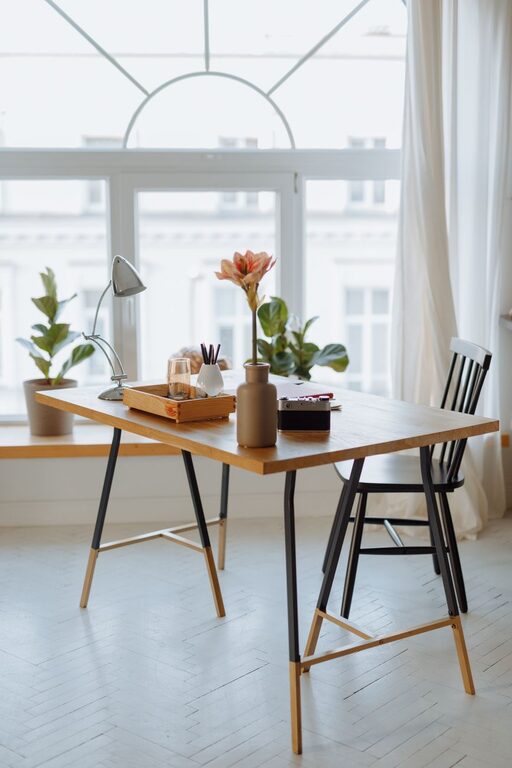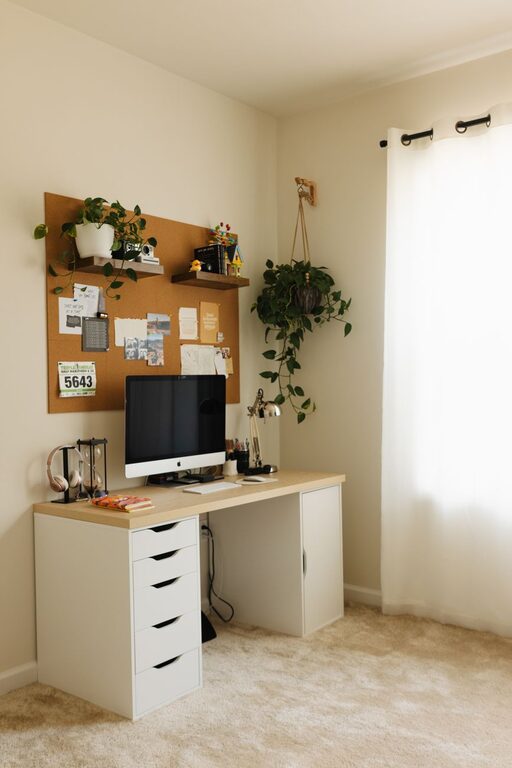

Creating an organized home office can make a significant difference in your daily productivity and overall work experience. A cluttered or chaotic space often leads to distractions and stress, while a well-arranged office promotes focus and efficiency. Whether you work from home full-time or occasionally need a dedicated space, these simple tips will help you organize your home office for increased productivity.
1. Choose the Right Location
Finding the ideal spot for your home office is the first step in creating an organized and productive environment.
– Select a Quiet Area: Choose a space away from noise and household distractions.
– Good Lighting: Natural light is best, but ensure there is adequate artificial lighting for late work hours.
– Comfortable Space: Make sure the area has enough room for your furniture and storage solutions.
2. Invest in Functional Furniture
Comfortable and functional furniture supports good posture and keeps your workspace neat.
– Ergonomic Chair: A supportive chair reduces fatigue and improves focus.
– Desk with Storage: Desks with built-in compartments or drawers help keep your essentials within reach and reduce desk clutter.
– Shelves and Filing Cabinets: Additional storage helps organize papers, books, and supplies.
3. Keep Your Desk Clear and Clutter-Free
A tidy desk supports mental clarity and efficiency.
– Limit Items on Your Desk: Only keep daily essentials like your computer, a notebook, and a pen holder.
– Use Desk Organizers: Drawer dividers, trays, and pen cups keep small items sorted.
– Daily Clean-Up: Spend a few minutes at the end of each day to clear your desk and file documents.
4. Organize Your Digital Workspace
Physical organization goes hand in hand with digital order.
– File Naming System: Use clear and consistent file names to find documents easily.
– Declutter Desktop: Keep your computer desktop free of unnecessary files and shortcuts.
– Backup Important Files: Regularly save your work to cloud services or external drives to avoid data loss.
5. Create a Dedicated Storage System
Effective storage prevents clutter and saves time looking for items.
– Label Containers and Folders: Labeling helps quickly locate items and keeps everything in order.
– Sort by Category: Group similar items together, such as office supplies, documents, and electronics.
– Use Vertical Space: Wall-mounted shelves or pegboards maximize storage while keeping surfaces clear.
6. Establish a Routine
An organized space benefits from consistent maintenance.
– Set Regular Organizing Times: Weekly or monthly sessions to tidy, file, and declutter keep your office orderly.
– Prioritize Tasks: Plan your workday with lists or calendars to avoid unnecessary clutter from scattered papers or reminders.
– Review and Adjust: As your work habits change, update your organization system to stay efficient.
7. Personalize Your Space Thoughtfully
A space that feels inviting can improve motivation, but avoid overdecorating that leads to distraction.
– Add Greenery: Small plants can make your office feel fresh and calm.
– Incorporate Inspiring Elements: Keep photos, quotes, or artwork that motivates you.
– Maintain Simplicity: Keep decorations minimal to avoid a crowded feeling.
8. Manage Cables and Electronic Devices
Electronics often create visual clutter and safety hazards if not properly managed.
– Use Cable Organizers: Clips, sleeves, or ties keep cords neat and untangled.
– Charge Stations: Designate a specific place for charging phones and other devices.
– Conceal Power Strips: Hide power outlets and strips under the desk or behind furniture.
Conclusion
Organizing your home office doesn’t have to be overwhelming. By following these straightforward tips, you can create a functional, comfortable, and clutter-free workspace that enhances your focus and productivity. Remember, organization is an ongoing process that requires small, consistent efforts. Start with one or two changes today, and gradually build an office space where you enjoy working every day.