Creating a productive home office space is essential for anyone working or studying from home. A well-designed workspace can help you stay focused, organized, and motivated throughout the day. Whether you have a dedicated room or just a corner in your living area, these tips will guide you in setting up a home office that supports your productivity and well-being.
Choose the Right Location
Finding the right spot for your home office is the first step toward creating an effective work environment. Ideally, this space should be quiet, free from distractions, and have good natural light. If possible, pick a room with a door to reduce interruptions and to create a clear boundary between work and personal life.
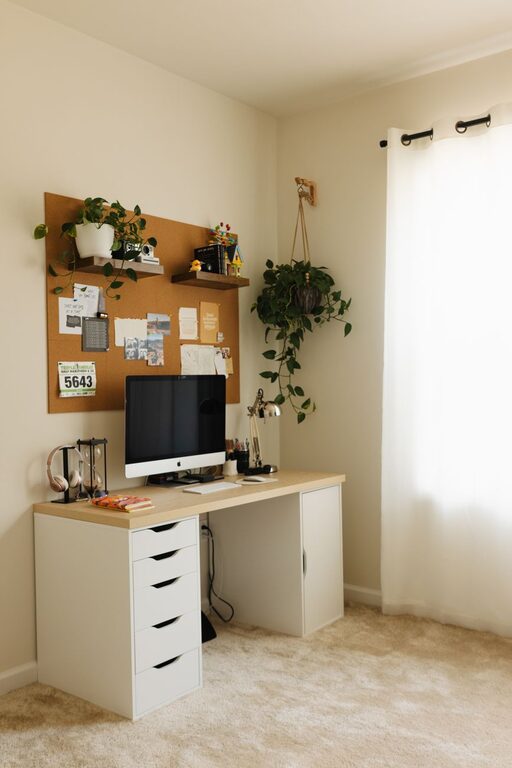
If you don’t have a spare room, consider using a corner in your living room or bedroom. Use shelving or room dividers to separate your workspace visually from the rest of the area.
Invest in Comfortable and Functional Furniture
Comfort is key in a home office because you’ll likely spend long periods sitting and working. Choose an ergonomic chair that supports good posture and a desk at the right height to keep your wrists and arms comfortable.
Consider furniture with storage options like drawers or shelves to keep your office supplies organized. Adjustable desks that allow you to switch between sitting and standing are also a great investment for health and productivity.
Optimize Lighting for Eye Comfort and Focus
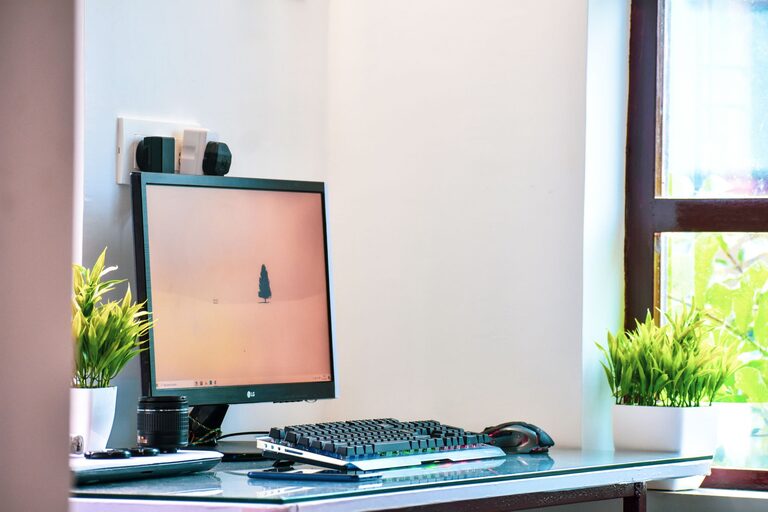
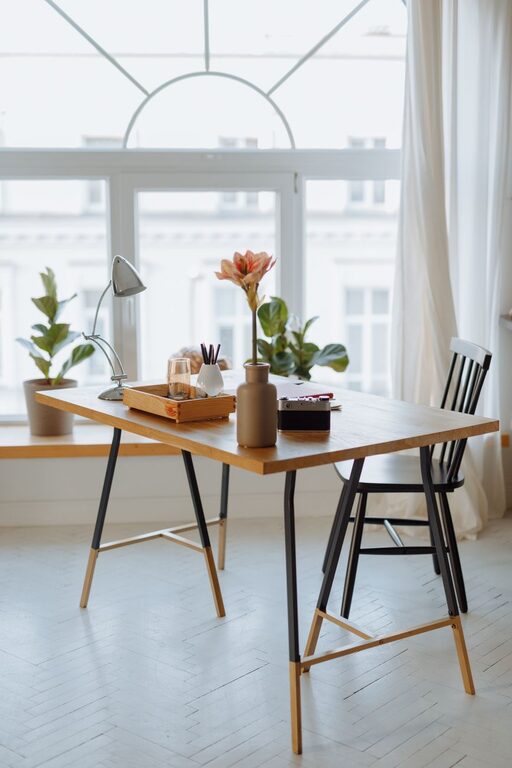
Good lighting affects your mood and helps reduce eye strain. Natural light is the best option when possible. Position your desk near a window, but avoid direct glare on your computer screen.
In addition, supplement with task lighting such as desk lamps that provide focused light for reading and writing. Use adjustable lights to control brightness and reduce shadows in your workspace.
Keep Your Workspace Organized
A tidy workspace reduces stress and helps you focus. Use organizers, trays, and containers to manage papers, stationery, and devices. Label storage areas to make it easy to find what you need quickly.
Cable management solutions like clips or sleeves can keep cords neat and out of the way. Regularly declutter your desk at the end of each day to maintain a clean environment.
Personalize Your Space Wisely
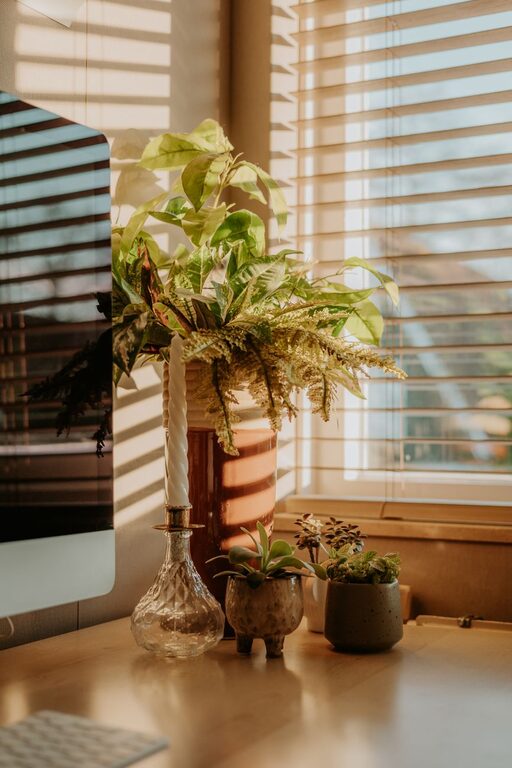
Adding personal touches can make your home office feel inviting and motivating. Choose decorations that inspire you, such as artwork, plants, or photos, but avoid cluttering your workspace.
Plants not only beautify your office but also improve air quality and create a calming atmosphere. Pick low-maintenance options like succulents or snake plants if you don’t have much time for care.
Minimize Distractions
Identify potential distractions in your home and find ways to minimize them during work hours. Use noise-cancelling headphones or play soft instrumental music to maintain focus.
Set boundaries with family members or roommates about your working hours and space. If possible, use a “do not disturb” sign to let others know when you are busy.
Use Technology to Your Advantage
Equip your home office with the technology that suits your job requirements. A reliable computer, high-speed internet, a good-quality headset, and a dual-monitor setup can enhance productivity.
Explore productivity apps and tools for time management, note-taking, and collaboration. Keeping your software updated and your digital files organized will also save time and reduce frustration.
Establish a Routine and Take Breaks
A designated space helps in establishing a daily work routine. Start your day at a consistent time, dress comfortably yet professionally, and set clear goals.
Remember to take regular breaks to stretch, move around, and rest your eyes. Short breaks throughout the day improve focus and reduce fatigue, contributing to overall productivity.
Final Thoughts
Creating a productive home office is about balancing comfort, organization, and functionality. By choosing the right location, investing in ergonomic furniture, optimizing lighting, and keeping distractions at bay, you’ll have a workspace that supports your work goals and well-being. With these tips, you can turn your home into an efficient and pleasant place to work.